When the Show That Saved You No Longer Speaks Your Language
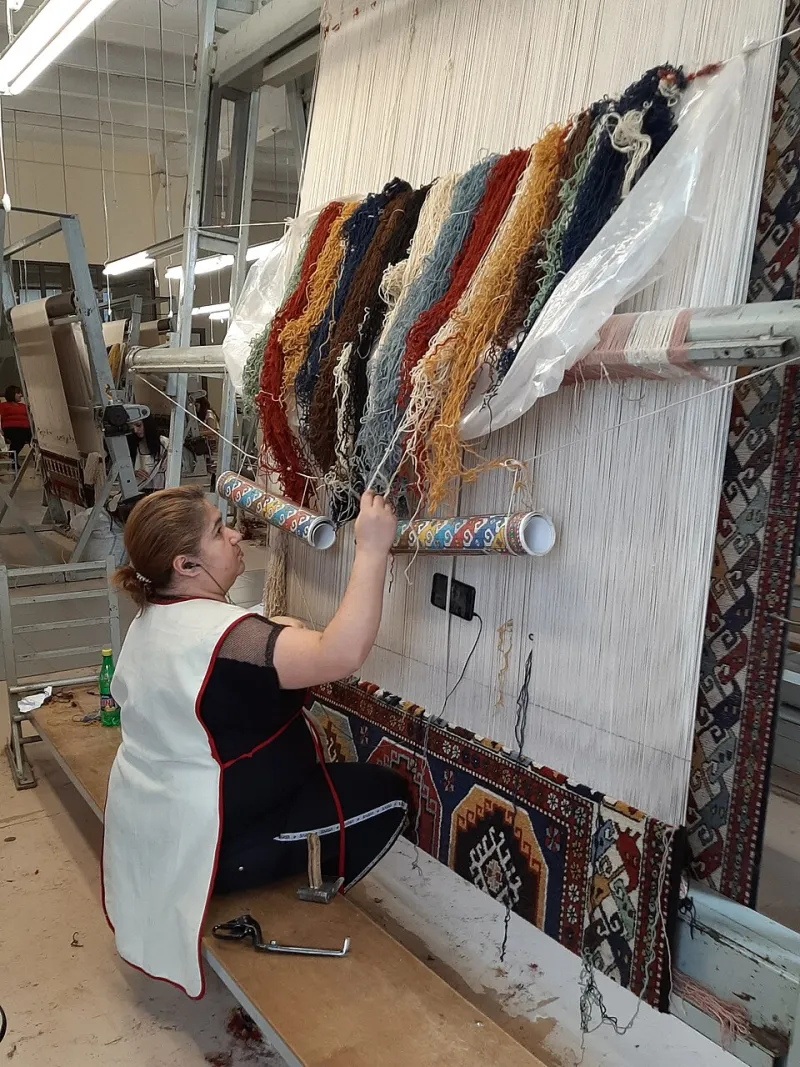
Photo: TheBabushka, CC BY-SA 4.0, via Wikimedia Commons
You remember exactly where you were. The apartment, the blanket, the specific brand of exhaustion that had settled into your bones. You pressed play on something familiar — something that had pulled you through before — and for a while, it worked. That show was a life raft. It didn't ask anything of you. It just held you.
So what happens when you go back and it doesn't hold you anymore?
Not because it's bad. Not because it aged poorly or the writing falls apart under scrutiny. But because you moved. Somewhere between then and now, you became a person the show no longer quite recognizes — and the feeling that comes with that realization is stranger and more tender than you'd expect.
The Ritual of the Rewatch
Rewatching isn't really about the content. Everyone who's ever put on a comfort show for the fourth time already knows this. It's about recreating a specific interior weather — a version of yourself you want to revisit, a feeling you're trying to recover. The show is almost secondary. It's a key you keep trying in a lock that used to open.
For a lot of us, certain shows are permanently attached to specific chapters. The sitcom you watched obsessively through a breakup. The fantasy series that got you through a winter that felt endless. The procedural drama you put on every night just to hear other voices in the apartment. These aren't casual associations. They're embedded. The show and the season of your life fused into something you can't cleanly separate.
So when you go back and find the magic has quietly evacuated the premises, it doesn't just feel like a mild disappointment. It feels like something has been taken from you — even if you can't name exactly what.
The Guilt Nobody Talks About
Here's the part that gets weird: the guilt.
You feel guilty for not loving it the same way. As if the show is owed your devotion. As if moving past it constitutes a kind of ingratitude toward the version of yourself it helped keep alive. There's something almost superstitious about it — like if you admit the spell has worn off, you're retroactively diminishing everything it did for you when you needed it most.
But that's not how it works. The fact that a song, a show, a film, a book carried you through something hard doesn't mean it owns a permanent lease on your nervous system. Growth isn't betrayal. It just feels like it sometimes.
Still, that guilt is worth sitting with rather than rushing past. Because it's not really about the show. It's about the version of you who needed it. And admitting you've outgrown it means admitting that version of you is gone — which is, depending on the season, either a relief or a loss or both at the same time.
What It Means to Evolve Past Your Own Comfort
Comfort media serves a specific psychological function. It creates predictability in environments that feel uncontrollable. It offers emotional regulation when your own internal system is overwhelmed. It's not escapism in the dismissive sense — it's actual neurological support. Your brain genuinely needed that show the way a sprained ankle needs to be wrapped.
But just like a cast comes off eventually, so does the dependency. And the moment you notice the cast is gone is usually the moment you try to put it back on and find it doesn't fit right anymore.
The plot feels slower. The characters feel less complex than you remember. The emotional beats that used to gut you land somewhere between familiar and flat. You're watching the same show, but you're watching it with different eyes — eyes that have seen more, processed more, expected more.
This isn't a failure. It's evidence of movement.
The Grief Is Still Real
Knowing something is healthy doesn't make it painless. You can understand intellectually that outgrowing your comfort media is a sign of development and still feel the specific ache of losing access to a version of yourself that was softer, more raw, more easily held by simple things.
There's a nostalgia that lives inside rewatches that has nothing to do with the show itself — it's nostalgia for your own past emotional states. For the person who was devastated enough to need this particular story. For the nights when this was enough. Some part of you misses being that reachable.
And there's something worth honoring in that. Not to wallow, but to acknowledge: the thing that saved you mattered. It did its job. The fact that you no longer need it in the same way doesn't erase what it meant. It's more like a scar that's healed — the wound is closed, but the evidence remains.
Finding New Language for Where You Are
If your old comfort shows no longer fit, that's actually useful information. It means you need new ones — stories that meet you where you actually are now, not where you were. It means your taste is evolving, your emotional vocabulary is expanding, your tolerance for complexity has grown.
The question isn't whether to mourn what you've left behind. The question is whether you're willing to find what speaks to the version of you that exists today — even if that version is harder to comfort, more complicated, less easily soothed.
Your old comfort show held a mirror up to a self that needed saving. Maybe it's time to find the story that holds a mirror up to the self that survived.
That's not betrayal. That's the whole point.