The Episode You Never Finished Is Trying to Tell You Something
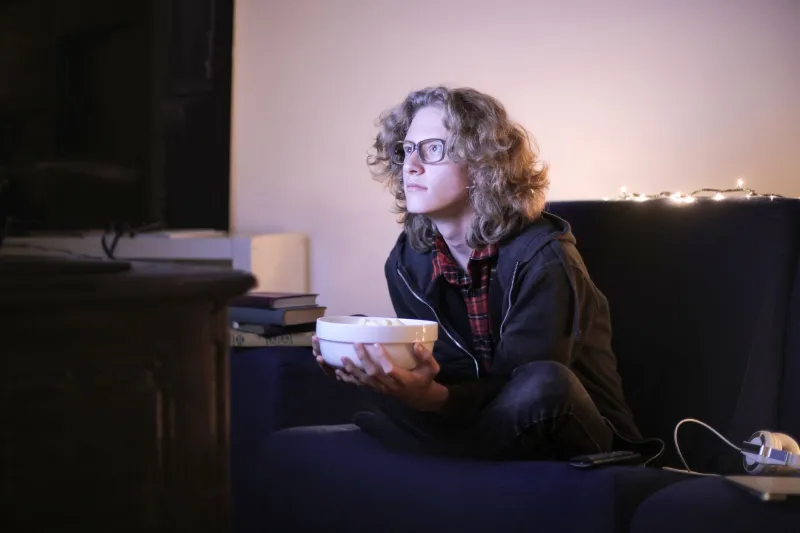
There's a specific kind of guilt that lives in a streaming queue. Not the guilt of watching too much — we've all made peace with that — but the quieter, stranger guilt of the shows you almost finished. The ones sitting at episode six of eight, or season two of four, collecting digital dust while you scroll past them and pretend you just haven't gotten around to it yet.
You have. You got right up to the edge. And then you stopped.
Here's the thing nobody really talks about: the shows that bored you are forgettable. You don't think about them. You don't feel weird when their names come up in conversation. But the ones you quit? Those stick. They have a weight to them that a genuinely bad show never earns. And that weight is worth paying attention to.
It Wasn't the Writing
We're very good at lying to ourselves about why we stop watching things. The pacing got slow. I heard it goes downhill. I just got busy. These are all technically possible explanations. They're also almost never the real one.
Think about a show you abandoned — not one you finished and didn't love, but one you actively walked away from midstream. Now think about when. What was happening in the story at that exact moment? Was a character making a choice you recognized? Was a relationship dynamic starting to look uncomfortably familiar? Was someone on screen doing the thing you've told yourself you'd never do, or the thing you're quietly terrified you already have?
The specific episode matters more than the series. The moment you tapped out is a data point about you, not about the show.
The Ones That Got Too Close
There's a category of television that functions almost like a mirror held at an uncomfortable angle. Shows about addiction that hit different when you're doing your own quiet version of numbing out. Dramas about long-term relationships slowly unraveling that you quit right around the time yours started to creak. Comedies about someone completely failing to get their life together that you stopped finding funny the moment they stopped feeling fictional.
These aren't shows that got bad. They got accurate. And accuracy, when it's pointed at something you're not ready to look at directly, feels unbearable in a way that's easy to disguise as disinterest.
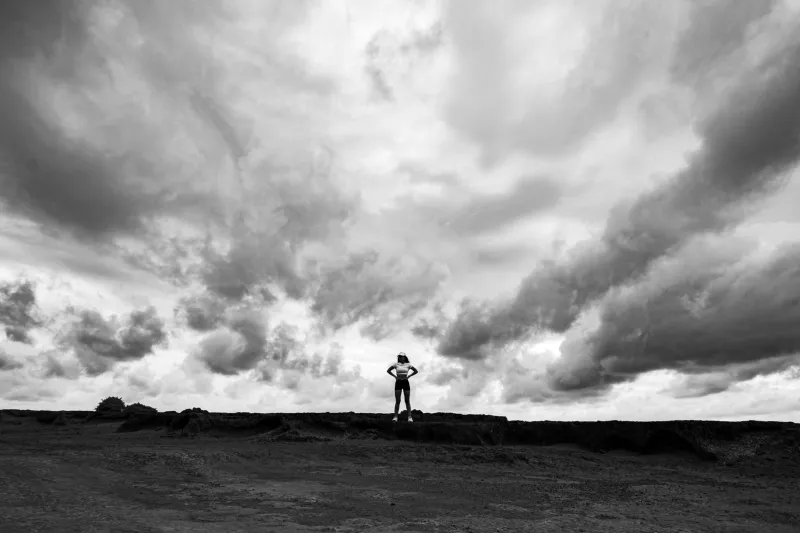
The storm metaphor feels right here: sometimes a story starts as entertainment and then the wind shifts, and suddenly you're standing in the middle of something you didn't sign up for. The instinct is to get out of the rain. To close the app, put on something comfortable and familiar, and tell yourself you'll come back to it later.
You won't. And some part of you already knows that.
Your Threshold Is More Specific Than You Think
What makes this interesting — and a little unsettling — is how precise the abandonment tends to be. It's rarely a vague drift away. It's a specific scene. A specific line of dialogue. A specific look between two characters that made your chest do something you didn't want it to do.
Psychologists talk about emotional avoidance as a strategy that works in the short term and costs you in the long run. We tend to think of that in terms of big life stuff — the hard conversation you're not having, the grief you're not processing, the decision you're circling without landing. But avoidance is creative. It finds smaller doors to slip through. A streaming queue is a surprisingly efficient place to practice not feeling things.
The show you quit wasn't asking you to do anything. It wasn't going to call you out. It was just going to keep going somewhere you weren't ready to follow. So you drew a line. Quietly, without ceremony, you decided that was far enough.
What the Unfinished Queue Actually Looks Like
If you went through every show you've abandoned and mapped the exit points, you'd probably start to see a pattern. Not in genre or quality — in emotional territory. The specific themes, relationship dynamics, or character trajectories that keep appearing at the place where you stopped.
Maybe it's always a story about someone choosing themselves over a relationship they've outgrown. Maybe it's always right when a character starts to actually get better — not dramatically, just quietly, in a way that makes recovery look possible and mundane and real. Maybe it's always the moment a family on screen stops pretending everything is fine.
Whatever the pattern is, it's yours. It's the outline of something you haven't fully named yet.
The Permission You Didn't Know You Were Withholding
Here's where it gets a little tender: sometimes the reason we can't finish a show isn't because we're afraid of what it reflects. It's because we're not ready to want what the characters have. A story about someone building a life that looks nothing like yours, and somehow working, can be more threatening than a story about someone falling apart. Falling apart is familiar. Thriving in a way you haven't tried yet is its own kind of confrontation.
The shows about people who made the hard choice and survived it. The ones about people who left and didn't regret it. The ones about people who stayed and actually meant it. These are the stories that can feel too hopeful to finish when hope feels like a risk you're not currently taking.
Quitting them isn't cynicism. It's self-protection. But it's worth knowing that's what it is.
You Don't Have to Go Back
This isn't a call to white-knuckle your way through every show you've avoided. Some stories you're genuinely not ready for, and forcing yourself through them doesn't make you braver — it just makes you uncomfortable on a Tuesday night for no good reason.
But maybe sit with the ones you quit. Not to watch them. Just to ask the honest question: what was happening when I stopped? Give yourself the actual answer, not the one about pacing or scheduling.
Your queue is a record of where you've been willing to go and where you've quietly refused. That's not a flaw in your taste. It's a map of your interior — messy, unfinished, more honest than you probably intended.
The chaos of an abandoned watch list has its own kind of clarity, if you're willing to look at it straight.